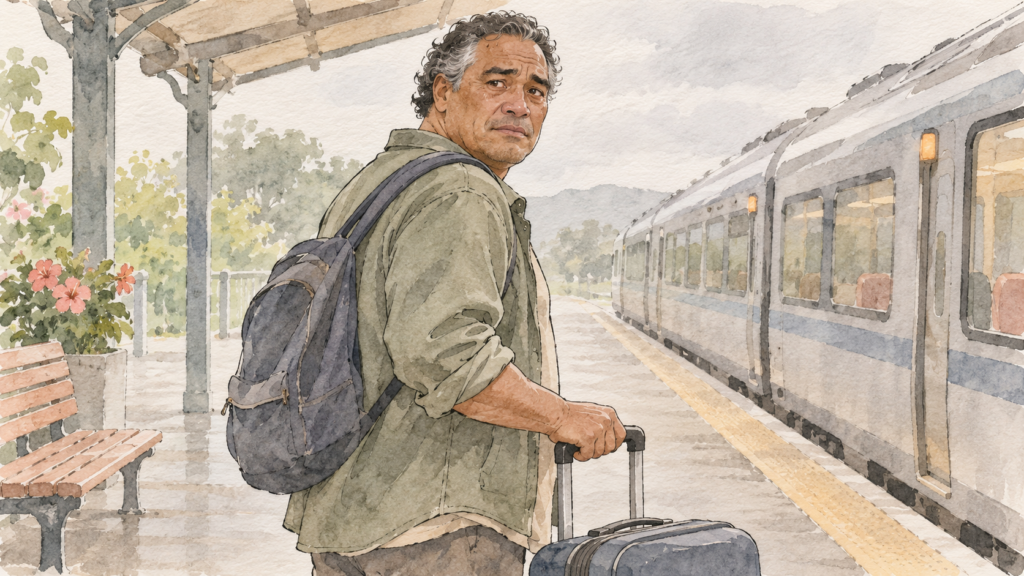
A loss doesn’t need social permission to be real – but without it, the grief is often carried alone.
Unrecognised (or disenfranchised) grief is grief that isn’t socially validated as significant – like losing a pet, a friendship or a dream – which leaves the person carrying it largely alone.
1 Understand the core chain
- A loss happens that isn’t widely recognised as “real” grief
- Little or no outside support or acknowledgement is offered
- The grief is felt as intensely as any other, but without validation
- You start to doubt whether your own pain is legitimate
- The grief is pushed down or hidden, as it doesn’t seem to justify being expressed openly
“A loss doesn’t need social permission to be real – but without it, the grief is often carried alone.”
2 Recognise how it shows up
- Body: A private heaviness that feels out of proportion to other people’s reaction.
- Thoughts: “I probably shouldn’t be this affected”, “It’s not ‘real’ grief.”
- Behaviours: Downplaying the loss when talking about it, grieving alone rather than looking for support.
One isolated sign is not enough to define a pattern.
3 The cycle how it keeps going
- Unrecognised loss
- Little support
- Grief without validation
- Legitimacy questioned
- Grief hidden, isolation grows
…and back to the start.
4 Explore questions to go further
- What loss have I experienced that others may not have recognised as significant?
- What would it mean to validate this grief for myself, whatever others think?
- Who, if anyone, could understand and support this specific loss?
5 Go deeper needs and beliefs
Need: Validation and support for a loss that matters deeply, whatever outside recognition it gets.
Belief: “This loss doesn’t count as real grief, since others don’t treat it that way.”
6 Next steps where to go from here
- Name the loss explicitly as something worth grieving, even privately.
- Look for a person or a community who could understand this specific kind of loss.
- Make space to grieve fully, regardless of any outside validation.
Educational use – does not replace professional support. © Nomad Mental Health